

Lead Paint Removal in Portland, OR: Protecting Your Home With Proper Safety Procedures
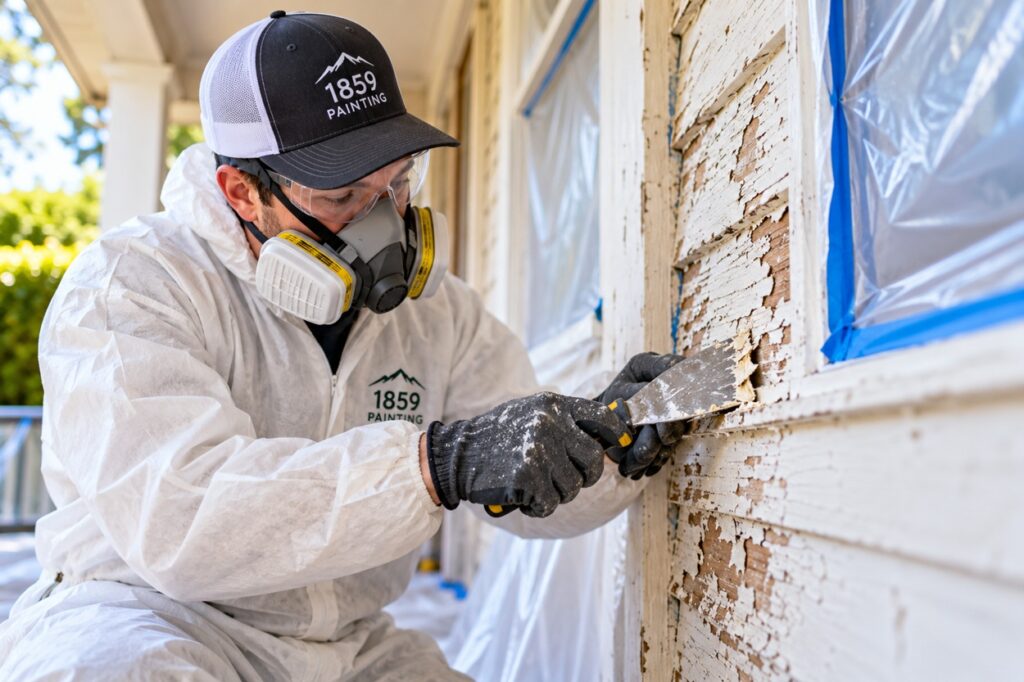
Portland is known for its beautiful historic homes, charming neighborhoods, and distinctive architecture. However, many older homes throughout Portland and the surrounding communities have a hidden concern beneath their existing paint: lead.
Before 1978, lead-based paint was commonly used in residential construction. Although it was valued for its durability, we now understand the serious health risks associated with lead exposure, particularly for young children and pregnant women.
At 1859 Painting, we understand that preparing an older home for painting requires special attention. Whether you’re planning an interior renovation or refreshing your home’s exterior, identifying potential lead hazards and following appropriate safety procedures are essential.
Why Lead Paint Is a Concern in Older Portland Homes
Homes built before 1978 may contain lead-based paint on siding, windows, doors, trim, and interior surfaces. Even when several layers of newer paint cover the original coating, disturbing those surfaces during preparation can release hazardous dust and paint chips.
Lead exposure can contribute to serious health problems, including developmental and neurological damage.
How Can You Tell if Your Home Has Lead Paint?
The age of your home is one of the first indicators. If your property was constructed before 1978, lead-based paint should be considered a possibility.
Common locations include:
-
Exterior wood siding and trim
-
Window frames and windowsills
-
Interior doors and doorframes
-
Painted stairways and railings
-
Older painted cabinets and built-in features
Lead paint cannot be reliably identified by appearance alone. Testing by an appropriately qualified professional can help determine whether lead-based paint is present.
Proper Procedures for Handling Lead Paint During Painting Projects
Professional lead-safe renovation procedures are designed to minimize dust, contain debris, and protect occupants throughout the project.
The Environmental Protection Agency’s Renovation, Repair and Painting (RRP) Rule establishes specific requirements for covered projects involving painted surfaces in homes built before 1978.
Step 1: Evaluate the Property Before Starting Work
Before preparing an older home for painting, the contractor should review the property’s age, existing paint conditions, and surfaces that will be disturbed.
When required, a certified renovation firm must follow applicable lead-safe requirements unless appropriate documentation establishes that the affected surfaces are lead-free.
Homeowners should also receive required lead-hazard information before covered renovation work begins.
Step 2: Establish Proper Containment
Preventing lead-contaminated dust and debris from spreading is one of the most important parts of the process.
Depending on the project, lead-safe containment procedures may include:
-
Installing protective plastic sheeting
-
Isolating work areas from occupied spaces
-
Covering landscaping and surrounding surfaces
-
Restricting access for children, pets, and unauthorized individuals
-
Posting appropriate warning signs
Containment helps prevent paint chips and dust from reaching areas outside the work zone.
Step 3: Use Lead-Safe Paint Preparation Methods
Removing deteriorating paint requires careful techniques that minimize airborne dust.
Lead-safe preparation may involve controlled wet scraping, wet sanding, and properly equipped tools with HEPA-filtered dust collection.
Certain practices, including open-flame burning and the use of power tools without required HEPA exhaust controls, are prohibited under applicable renovation rules.
The objective is to remove loose or failing paint while limiting contamination. Complete removal of every existing paint layer is not always necessary for a successful repainting project.
Step 4: Collect and Dispose of Paint Debris Properly
Lead-contaminated debris should never be allowed to scatter across lawns, patios, walkways, or neighboring properties.
Paint chips, disposable protective materials, and other renovation waste must be collected, contained, and disposed of according to applicable requirements.
Proper waste handling helps prevent contamination from spreading after the work is completed.
Step 5: Complete Thorough Cleaning and Verification
Cleaning is an essential final step in lead-safe renovation work.
Appropriate procedures may include HEPA vacuuming, wet wiping, removing protective materials carefully, and completing the required cleaning verification.
The work area should not be returned to normal use until applicable cleanup and verification requirements have been satisfied.
For additional information, homeowners can review the EPA’s Lead Renovation, Repair and Painting Program.
Why Hiring a Qualified Painting Contractor Matters
Painting an older home involves more than selecting attractive colors and applying a fresh coat of paint.
Improper preparation can create hazardous dust, contaminate surrounding areas, and expose occupants to unnecessary risks.
In Oregon, contractors performing covered renovation work on pre-1978 homes must have the appropriate lead-based paint renovation credentials and follow applicable safety requirements.
Homeowners should always verify that their contractor holds the necessary qualifications before work begins.
It’s also important to understand the distinction between lead-safe renovation and lead abatement. Renovation focuses on safely completing improvements that may disturb lead-based paint, while abatement specifically addresses permanently eliminating lead-based paint hazards and has separate licensing requirements.
Planning to Paint an Older Home in Portland?
If your Portland-area home was built before 1978, understanding potential lead-paint concerns should be part of your painting plans.
At 1859 Painting, we believe that quality painting begins with careful preparation, clear communication, and attention to the condition of your home.
Whether you’re considering exterior painting in Portland or updating your home’s interior, our team can discuss your project, evaluate the preparation needs, and explain how applicable lead-safe requirements will be addressed.
Contact 1859 Painting today to request a free estimate and learn more about preparing your home for a beautiful, long-lasting paint finish.