How Mold and Moisture Can Affect House Painting in Portland, Oregon
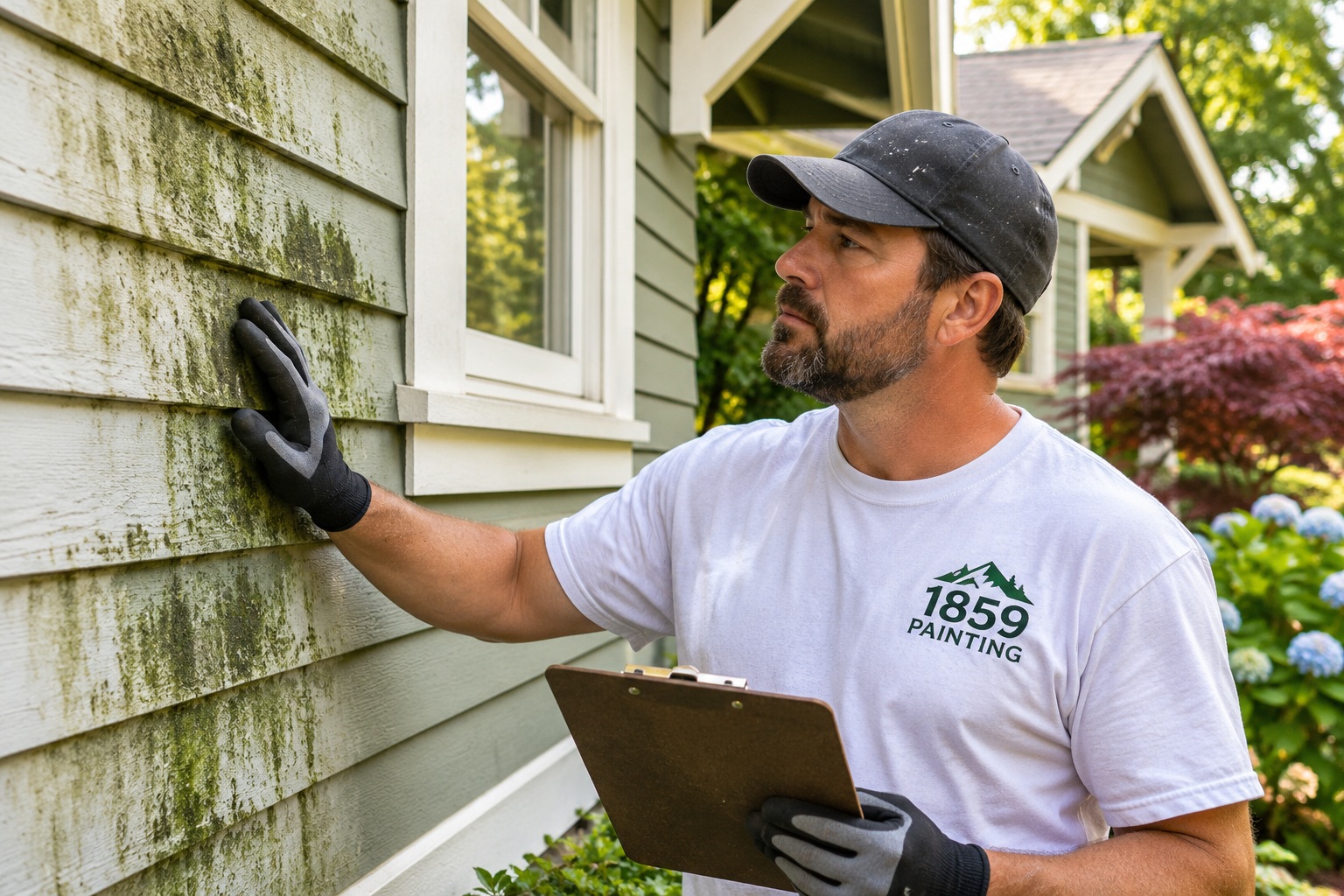
Living in the Pacific Northwest comes with plenty of benefits, from beautiful green landscapes to relatively mild temperatures. However, Portland’s frequent rainfall, high humidity, and extended periods of damp weather can create challenges for homeowners, especially when it comes to maintaining exterior paint.
One of the most overlooked problems homeowners face before repainting is mold and mildew growth. These unwanted visitors can appear on siding, trim, soffits, and other exterior surfaces, potentially affecting the appearance and durability of a new paint job.
Understanding how mold develops, why it matters, and what should happen before painting can help homeowners protect their investment and avoid costly repairs.
Why Mold and Moisture Are Problems for Exterior House Painting
Mold thrives in damp environments, making Portland and surrounding Oregon communities particularly vulnerable. When moisture remains on exterior surfaces for extended periods, mold and mildew may develop, especially in shaded areas that receive limited sunlight.
1. Mold Can Prevent Paint From Adhering Properly
One of the biggest mistakes homeowners can make is applying fresh paint directly over mold or mildew.
Even when the surface appears relatively clean, remaining contamination and moisture can interfere with proper paint adhesion. Paint applied over mold may eventually bubble, crack, or peel, leaving the exterior looking worse than before.
According to the Environmental Protection Agency (EPA), mold should be removed and affected surfaces thoroughly dried before painting or caulking.
This is why proper preparation is such an important part of any exterior painting project. A beautiful finish depends on the condition of the surface underneath.
2. Trapped Moisture Can Cause Premature Paint Failure
Mold and moisture problems often go hand in hand. If water becomes trapped behind siding, around window frames, or beneath existing layers of paint, simply applying another coat won’t solve the underlying problem.
Over time, trapped moisture can contribute to:
-
Peeling and blistering exterior paint
-
Softening or deterioration of wood siding and trim
-
Discoloration and staining
-
Recurring mold and mildew growth
-
Increased preparation and repair costs
These problems are especially concerning for older Portland homes, where aging siding, deteriorated caulking, and years of exposure to wet weather may allow water to reach vulnerable areas.
Before repainting, it’s important to identify and correct moisture problems rather than simply covering their visible symptoms.
3. Mold Can Increase the Cost of Painting Your Home
Discovering mold or moisture damage before a painting project doesn’t necessarily mean the entire exterior needs replacement. However, it can increase the amount of preparation required.
For example, a home with extensive mildew, deteriorating paint, or water-damaged wood may require additional cleaning, surface repairs, drying time, and priming before painting can begin.
If mold has penetrated porous building materials or a significant water problem exists, specialized remediation or replacement may be necessary.
Addressing these conditions before painting can help prevent premature paint failure and reduce the likelihood of paying for the same work twice.
How to Prepare a Portland Home for Painting When Mold Is Present
Whether you’re preparing for a full exterior repaint or refreshing specific areas of your property, dealing with mold correctly is essential.
Identify the source of excess moisture. Start by examining gutters, downspouts, roofing, siding joints, window seals, and shaded exterior walls. Poor drainage and persistent leaks can create conditions where mold repeatedly returns. Correcting these problems is necessary for lasting results.
Clean affected surfaces appropriately. Mold must be removed before painting. The EPA recommends cleaning mold from suitable hard surfaces using detergent and water, followed by thorough drying. Cleaning methods should match the material and extent of contamination. Significant mold growth or damage to porous materials may require a qualified remediation professional.
Allow surfaces to dry completely. Even after visible mold has been removed, painting should not begin while siding or trim remains excessively damp. Professional painters assess weather conditions and surface moisture before applying coatings.
Repair damaged siding and trim. Wood that has become soft, rotten, or structurally compromised may need repair or replacement. Applying primer or paint over deteriorated material will not restore its integrity.
Choose appropriate exterior painting products. Once the moisture problem has been corrected and the surface properly prepared, quality exterior primers and paints designed for the substrate and Pacific Northwest conditions can help provide a durable finish. Some coatings offer mildew-resistant properties, but these products are not substitutes for mold removal or moisture control.
Protecting Your Home’s Exterior Paint for Years to Come
Prevention is one of the most effective ways to reduce recurring mold and mildew problems.
Homeowners should regularly inspect exterior siding, keep gutters clear, direct water away from the building, and pay attention to areas where vegetation or landscaping holds moisture against painted surfaces.
Periodic cleaning and early attention to peeling paint or deteriorated caulking can also help prevent small maintenance issues from becoming more expensive projects.
If your home has visible peeling, discoloration, or repeated mildew growth, it may be time to have its exterior evaluated before scheduling another paint job.
At 1859 Painting, we understand the challenges Portland-area homes face throughout the changing seasons. Proper preparation, careful attention to surface conditions, and quality painting materials are essential parts of achieving a professional finish.
Whether you’re updating an older home or refreshing a newer property, our exterior painting services can help you plan your next painting project.
Ready to refresh your home’s exterior? Contact 1859 Painting today to request a free painting estimate. We proudly serve Portland, Oregon, Vancouver, Washington, and surrounding communities.